I was in Norway for NDC Oslo 2015 and I was there to talk about “Big Scrum: All you need and not enough” which is a kind of oxymoron as it really is enough, you just need to apply the values and principals at scale. I tried to cover what for me is a total 100% requirement for Scale.
[embed]https://vimeo.com/131642789[/embed]
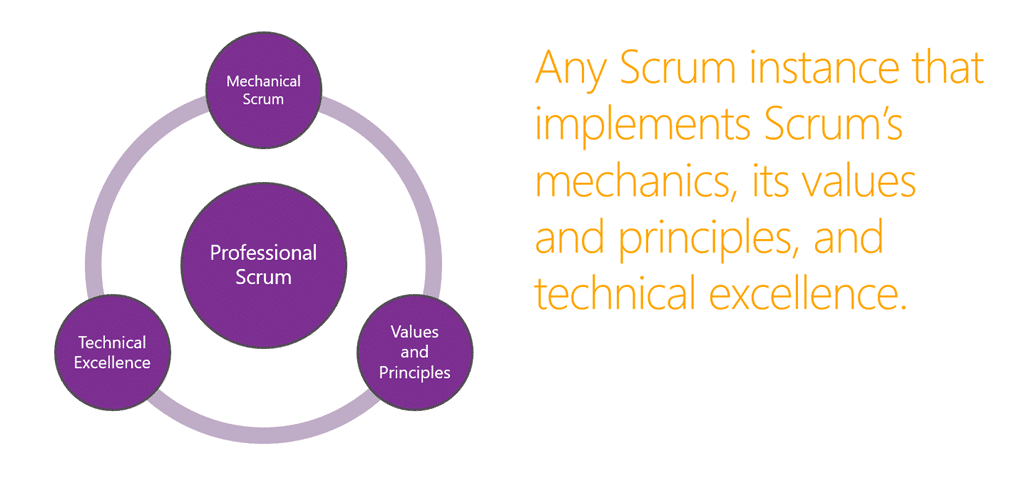
In order to scale you first need Professional Team and not Amateur Teams. In the Scrum world that means that you need to embody the values and principals of agile, have awesome engineering practices, and know the mechanics . Its really not enough to simply pay lip service to your process. Dig in and really do it.
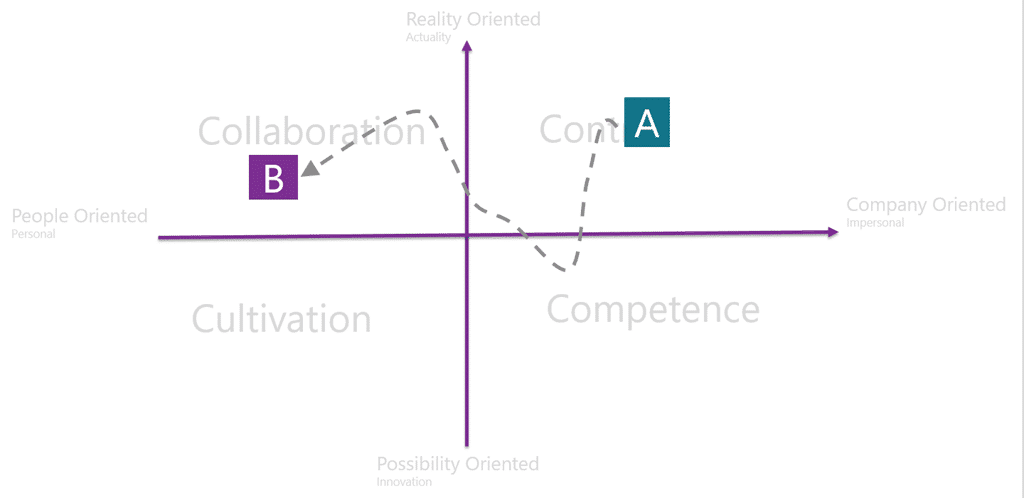
The second thing that I covered is why a cookie cutter process will not work. Your companies change is a unique fingerprint and the idea that you can buy and off-the-shelf process that will suit your culture and your journey is ludicrous.
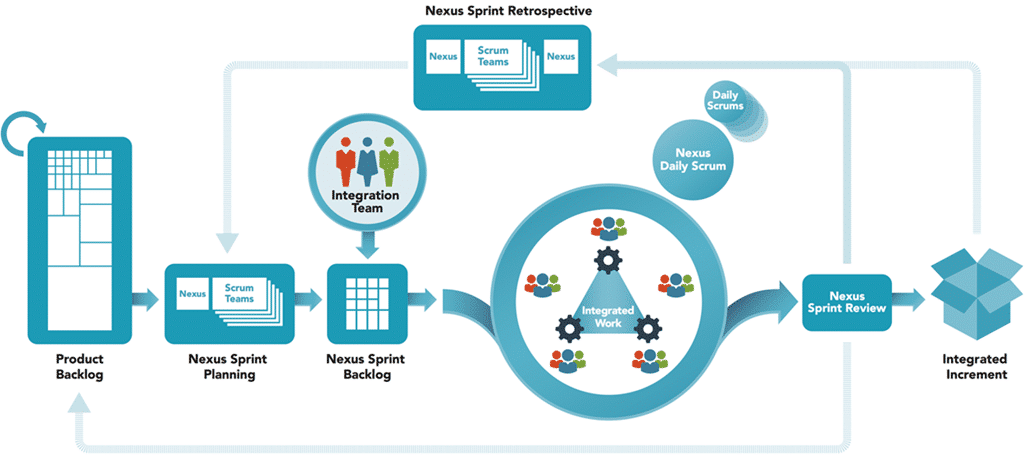
To support scaling Scrum you need to have many Professional Scrum Teams working together, and for that we need a few extra communication lines that are not new, but that need enshrined in the model to make sure that it works. Check out the video below to get a walk-through of the new events and their significance and value.
At the end of the session I highlighted a small number of additional, but optional, practices that make scaling a lot easier. These practices only scratch the surface of what is presented in Scrum.org’s new Scaled Professional Scrum course, but they are representative of practices that we know, from experience, you need to build software big.
Big Scrum: All you need and not enough
The proliferation of scaling frameworks shows there are real challenges in scaling agility, and the solutions don’t seem to involve inventing yet more frameworks or formal processes. So then, why is it so hard to find success in agility at scale? Large scale agility can be found in exploiting Scrum’s simplicity while emerging and sustaining technical excellence. Something that sounds so easy shouldn’t be so hard, and for some it isn’t. This session highlights successes in growing large scale agility using Big Scrum while maintaining technical excellence to deliver value faster.
Smart Classifications
Each classification [Concepts, Categories, & Tags] was assigned using AI-powered semantic analysis and scored across relevance, depth, and alignment. Final decisions? Still human. Always traceable. Hover to see how it applies.
What to read next
Slaying the Dragons and How to Successfully Descale at Scale
Explores why most organisations struggle to scale agile practices, highlighting key principles and strategies used by rare, successful …
Big Scrum: Are you doing mechanical Scrum
Explores the difference between mechanical and Professional Scrum, highlighting the importance of values, principles, and technical …
Scaling Professional Scrum with Visual Studio Team Services
Explains how to scale Professional Scrum across multiple teams using Visual Studio Team Services, covering automation, Nexus integration, …
Upcomming Scrum at Scale Workshop from Scrum.org
Learn how to scale Scrum across your organisation, drive cultural change, and measure agile maturity with evidence-based practices in this …
Mastering the Art of Scaling Scrum: Insights from the Scaled Professional Scrum Course
Learn practical strategies for overcoming common challenges in scaling Scrum, based on hands-on insights from the Scaled Professional Scrum …
Scrum Tapas: The Importance of Professionalism
Explores why professionalism and adherence to engineering excellence are essential for effective Scrum teams, highlighting common pitfalls …
Detecting agile theatre with real delivery signals
Why Most Companies Operating Models Fail in Dynamic Markets
A concise comparison of Predictive and Adaptive Operating Models, explaining why traditional structures fail in dynamic markets and how …
Don’t Manage Dependencies, Remove Them
Explains why dependencies are a sign of poor system design and outlines steps to eliminate them by aligning teams, clarifying ownership, and …
The Estimation Trap: How Tracking Accuracy Undermines Trust, Flow, and Value in Software Delivery
Tracking estimation accuracy in software delivery leads to mistrust, fear, and distorted behaviours. Focus on customer value, flow, and …
Flow of Value vs Flow of Work – Misnomer or Useful Shorthand?
Compares “flow of value” and “flow of work” in Kanban, explaining why only validated outcomes count as value and stressing the need for …
Why Outsourcing DevOps Fails, and How Real Engineering Excellence Starts With Your Team
Avoid DevOps vendor lock-in, discover how true engineering excellence starts with partnership, not outsourcing. Ready to transform your …
The Definition of Done is a Commitment to Quality
Defines the Definition of Done in Scrum as a clear, shared standard for quality, ensuring increments are releasable, transparent, and …
Why Your Definition of “Done” Is Holding Back Quality, Agility, and Trust, And How to Raise the Bar
Is your team’s “done” really done? Discover how a clear, objective definition of done boosts quality, agility, and trust in product …
Acceptance Criteria vs Definition of Done: Why Getting This Right Builds Trust and Delivers Quality Faster
Stop confusing acceptance criteria with definition of done, learn the crucial difference to boost quality, speed, and trust in your agile …
How to Evolve Your Definition of Done: Start Small, Grow Smarter, and Build Lasting Momentum
Unlock a smarter Definition of Done, start small, evolve standards, and build team momentum without overwhelm. Discover how progress drives …
Why Most Transformations Fail Without Honest Conversations
Most transformations fail without open, honest conversations that address real issues, making transparency and tough dialogue essential for …
Why Your Definition of Done Is the Secret Weapon for Real Business Impact and Agile Growth
Transform your definition of done into a strategic advantage, deliver real value, reduce risk, and drive business impact with every sprint.